Advanced Soft Tissue Techniques for Pain Relief and Better Movement
Muscle tightness, joint stiffness, sports injuries, and repetitive strain can affect movement and daily activities. Depending on the patient’s condition, a physiotherapist may include techniques such as cupping therapy, dry needling, IASTM, or kinesiology taping as part of a complete rehabilitation program.
These techniques may help reduce symptoms and make movement or exercise more comfortable. However, they are supportive treatments, not stand-alone cures. Long-term recovery usually requires therapeutic exercise, strength training, mobility work, education, and activity modification.
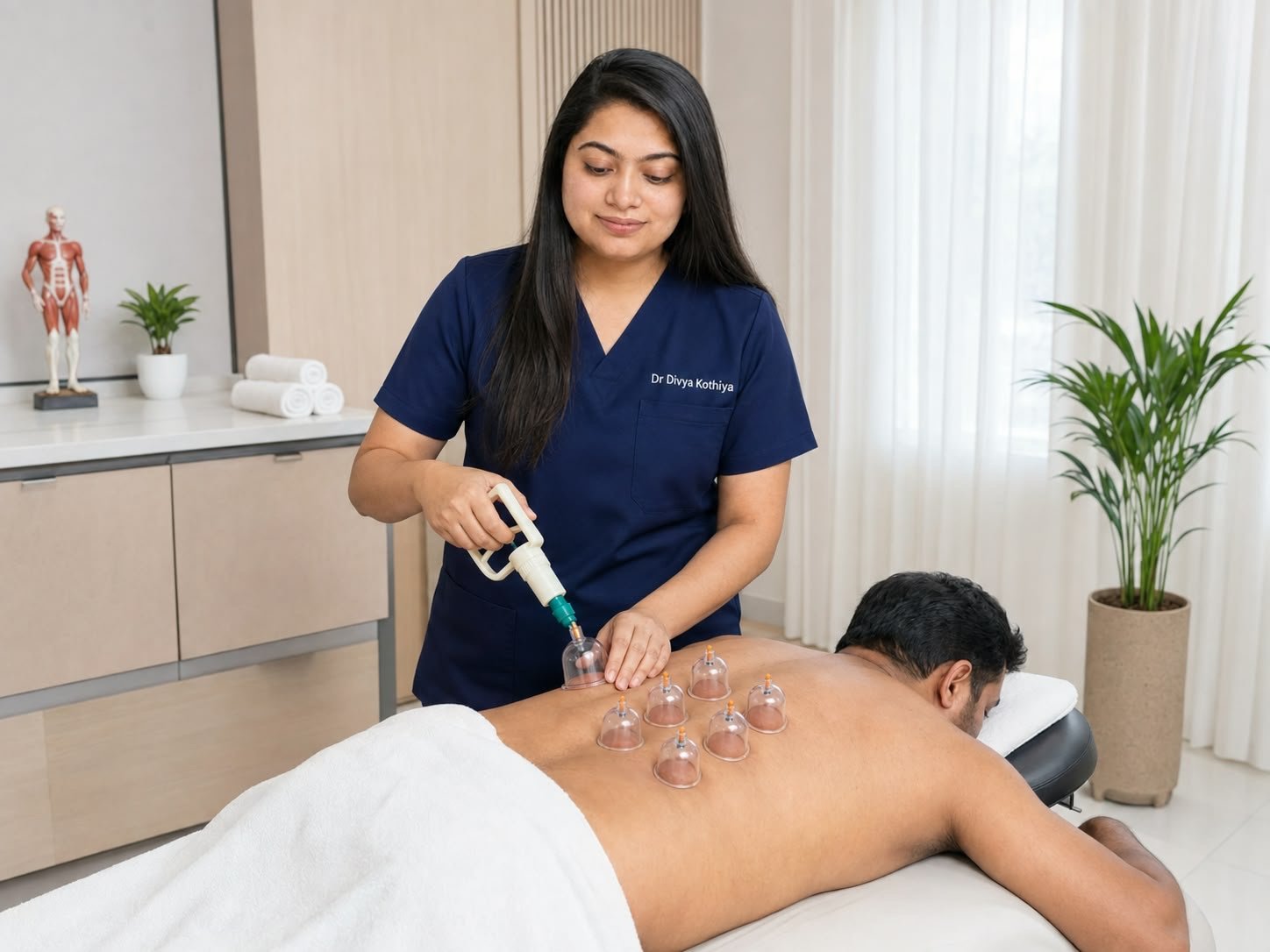
Cupping therapy uses specially designed cups to create controlled suction over the skin and underlying soft tissues.
Potential Benefits:
• Temporary relief from muscular pain and tightness
• Improved comfort during movement
• Reduced feeling of stiffness
• Relaxation of overworked muscles
• Support during recovery from physical activity
Commonly Used For:
• Back and neck muscle tightness
• Shoulder discomfort
• Sports-related muscle soreness
• Calf and hamstring tightness
• Myofascial pain
Cupping often leaves circular marks that usually fade gradually. Evidence for its effectiveness remains limited, and it should not be described as removing toxins or permanently curing pain. It can also cause skin irritation, burns, infection, or persistent discoloration if performed incorrectly.
Dry needling involves inserting thin, sterile, single-use needles into carefully selected muscles or trigger points. It is different from an injection because no medicine is delivered through the needle.
Potential Benefits:
• Short-term reduction in muscular pain
• Decreased muscle tightness
• Improved range of movement
• Better tolerance to exercise
• Management of selected trigger points
Commonly Used For:
• Neck and upper trapezius pain
• Shoulder muscle pain
• Tennis elbow
• Lower-back muscular pain
• Gluteal and hip pain
• Calf tightness
• Selected sports injuries
Temporary soreness, mild bruising, or a small amount of bleeding may occur. Dry needling must be performed by a properly trained healthcare professional after screening for contraindications. It should be combined with movement correction and progressive exercise.
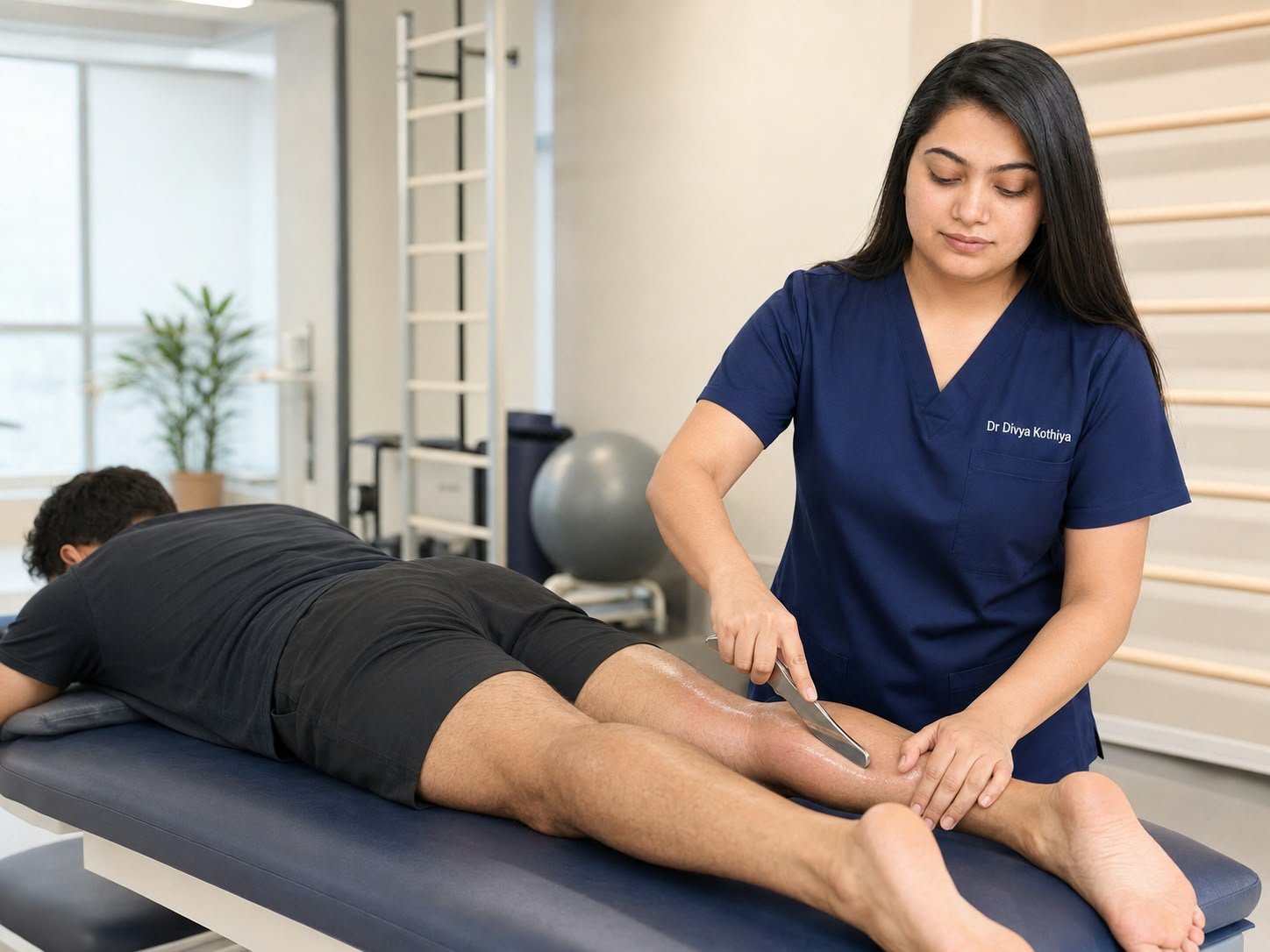
Instrument Assisted Soft Tissue Mobilization, commonly called IASTM, uses specially shaped instruments to apply controlled pressure and movement over muscles, tendons, and surrounding soft tissues.
Potential Benefits:
• Reduction in pain and soft-tissue sensitivity
• Temporary improvement in flexibility
• Improved joint range of motion
• Better preparation for rehabilitation exercises
• Support for recovery from selected overuse conditions
Commonly Used For:
• Plantar fasciitis
• Achilles and patellar tendon problems
• Tennis or golfer’s elbow
• Shoulder stiffness
• Calf, quadriceps, and hamstring tightness
• Selected post-injury movement restrictions
IASTM should not be promoted as physically breaking scar tissue. Current evidence suggests that it may help improve pain and range of motion, but results vary between conditions, and the technique works best as part of a broader rehabilitation plan.
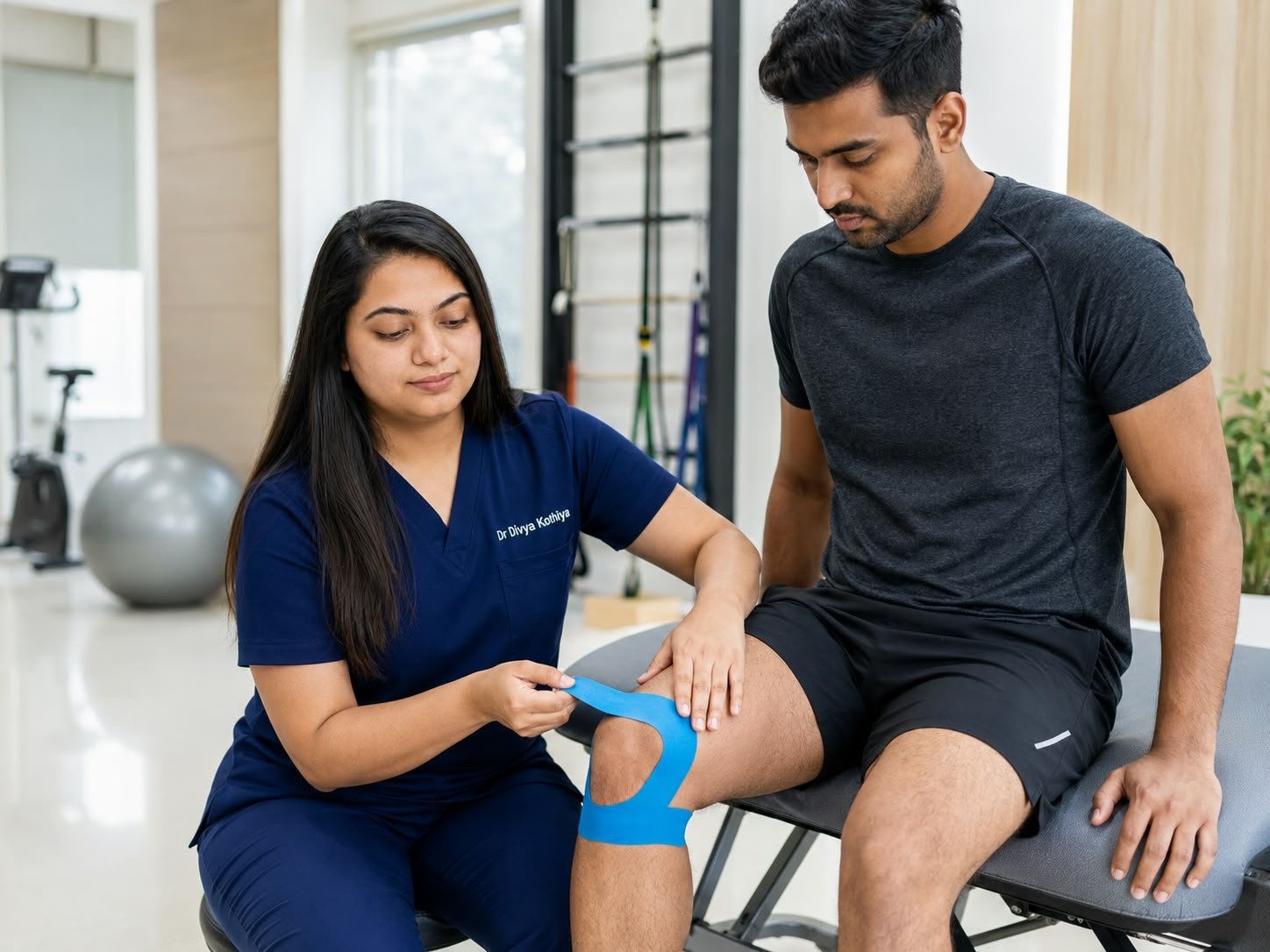
Kinesiology taping involves applying flexible therapeutic tape to the skin using a technique selected according to the patient’s symptoms and movement needs.
Potential Benefits:
• Short-term pain relief
• Improved awareness of joint position and movement
• Light support without completely restricting motion
• Increased confidence during exercise or activity
• Assistance with selected swelling-management programs
Commonly Used For:
• Knee pain
• Ankle sprain rehabilitation
• Shoulder discomfort
• Tennis elbow
• Postural awareness
• Sports injury rehabilitation
• Selected swelling conditions
Taping does not repair a torn ligament, permanently correct posture, or replace muscle strengthening. Research findings are mixed, so it should be considered an optional support rather than the main treatment. Tape must be removed if it causes itching, burning, redness, or skin irritation.
The correct technique depends on the diagnosis, stage of recovery, skin condition, medical history, pain sensitivity, and functional goals. Not every treatment is suitable for every patient.
Before selecting a technique, a physiotherapist should assess:
• The source and behaviour of the symptoms
• Joint movement and muscle strength
• Functional limitations
• Previous injuries or surgeries
• Skin sensitivity and circulation
• Current medicines and medical conditions
• The patient’s rehabilitation goals
Extra caution or medical clearance may be required in people with:
• Open wounds or active skin infections
• Bleeding disorders or blood-thinning medication
• Poor circulation or reduced skin sensation
• Unexplained swelling, fever, or severe inflammation
• Pregnancy, depending on the treatment area
• Needle phobia or allergy to tape adhesive
• Suspected fracture, serious infection, or other medical red flags
A Complete Approach to Recovery
these techniques may be used when clinically appropriate, but they are not the entire treatment. A structured rehabilitation plan may also include:
• Pain and movement assessment
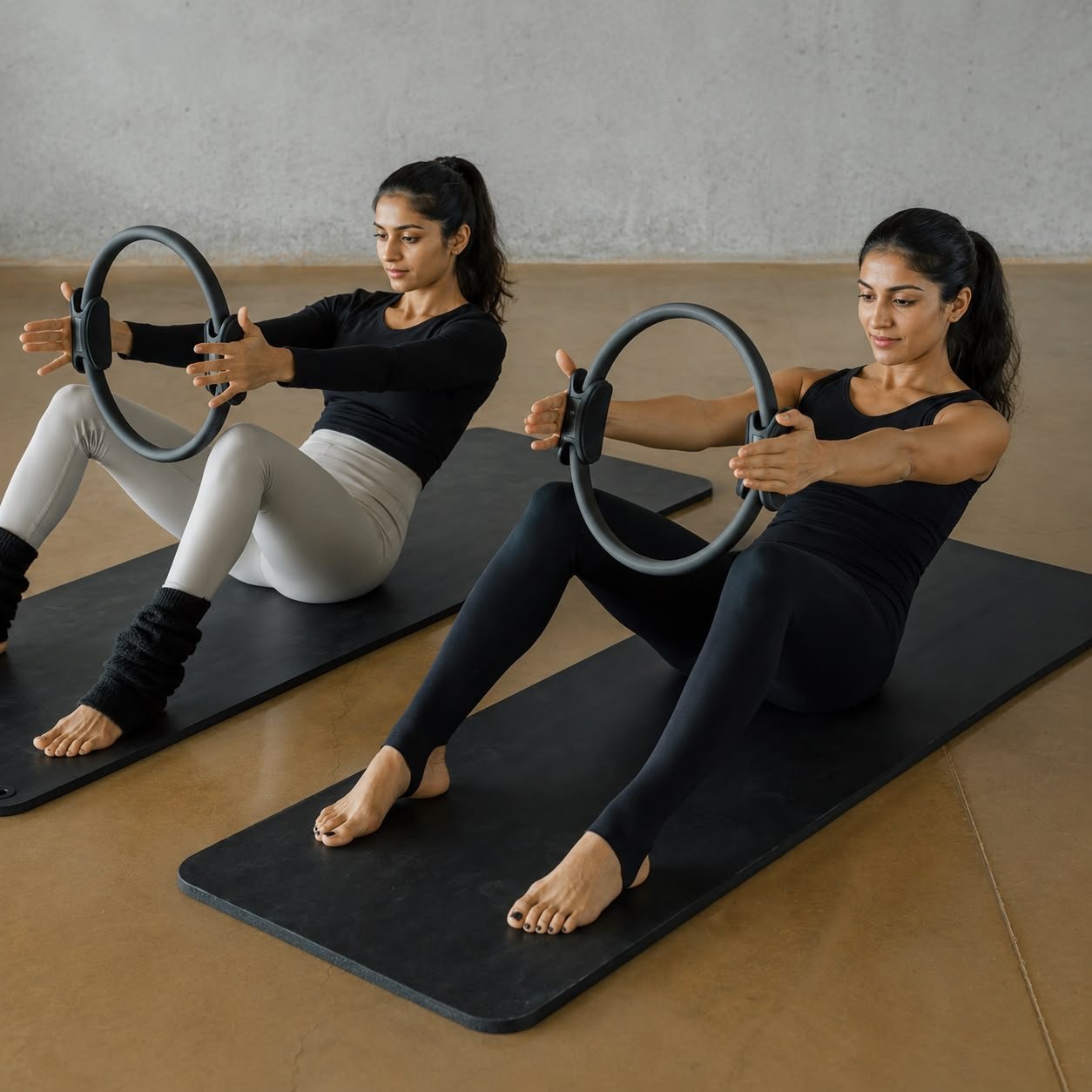
• Mobility exercises
• Progressive muscle strengthening
• Postural and movement correction
• Balance and coordination training
• Sports-specific rehabilitation
• Home exercise guidance
• Advice for preventing recurrence
Faster, Targeted Relief
20+ years strong
We combine advanced manual therapy expertise with personalized treatment planning to relieve pain, release restrictions, and support faster, longer-lasting recovery.
At our physiotherapy clinic, we’re dedicated to helping you move without pain and tightness holding you back — whether that’s releasing a stubborn trigger point, supporting an injury during recovery, or breaking down scar tissue that’s limiting your movement.
Dry Needling involves inserting thin needles into tight muscle knots, or trigger points, to release tension and restore normal muscle function. It's commonly used for chronic muscle tightness, sports injuries, and pain that hasn't responded to other treatments.
No. While both use thin needles, Dry Needling is based on Western medical principles targeting specific muscle trigger points, whereas acupuncture is based on traditional Chinese medicine concepts of energy flow.
Tapping supports muscles and joints without restricting movement, helping reduce pain, improve circulation, and provide support to injured or overworked areas during daily activity or sport.
Cupping is generally not painful, though it can leave temporary circular marks on the skin from the suction. It helps release tight fascia and muscle tissue, improve blood flow, and reduce muscle tension, especially after intense physical activity.
IASTM (Instrument Assisted Soft Tissue Mobilization) uses specialized tools to detect and treat soft tissue restrictions, scar tissue, and fascial adhesions. It's often used for chronic tightness, post-injury scar tissue, or movement restrictions that haven't improved with other treatment.
In most cases, you can begin treatment without a doctor's referral. However, some insurance providers may require one for reimbursement purposes, so it's worth checking with your provider beforehand.
Yes, they're typically used alongside broader physiotherapy treatment rather than as a standalone approach, since combining hands-on techniques with strengthening and movement correction gives more complete, lasting results.
This depends on your specific condition and how your body responds to treatment. After your initial assessment, we'll recommend the right technique or combination and outline a realistic treatment timeline.
તમને તાજા અપડેટ્સ, આરોગ્ય ટીપ્સ અને ખાસ ઓફર્સ સીધા મળે.