પ્રિલોડર

Back Pain

backpain-4
Back pain is one of the most common health problems worldwide and a leading cause of disability. It can affect the upper back, middle back or lower back, and may remain localised or travel into the buttocks, legs, chest or abdomen.
 
Back pain is not a single disease. It is a symptom that may originate from muscles, joints, spinal discs, nerves, bones, inflammatory disorders or, occasionally, internal organs. Therefore, accurate assessment is essential before starting treatment.

Common Symptoms of Back Pain

  • Dull aching or muscular tightness
  • Sharp pain during movement
  • Morning stiffness
  • Pain after prolonged sitting or standing
  • Difficulty bending, lifting or twisting
  • Pain spreading into the buttock or leg
  • Burning, tingling or numbness
  • Weakness in the leg or foot
  • Reduced spinal mobility
  • Difficulty walking, sleeping or performing daily activities

Orthopedic and Musculoskeletal Causes

  • Mechanical or Non-Specific Back Pain
  • Lumbar Disc Bulge or Herniation
  • Degenerative Disc Disease
  • Sacroiliac Joint Dysfunction
  • Spondylosis , Spondylolysis, Spondylolisthesis
  • Osteoarthritis

Neurological Conditions Related to Back Pain

  • Sciatica
  • Lumbar Radiculopathy
  • Thoracic Radiculopathy
  • Cauda Equina Syndrome
  • Spinal Cord Compression or Myelopathy
  • Peripheral Neuropathy
  • Central Sensitisation and Persistent Pain
Inflammatory and Rheumatological Conditions
 
Back pain can also be associated with:
  • Ankylosing spondylitis
  • Axial spondyloarthritis
  • Psoriatic arthritis
  • Rheumatoid arthritis
  • Reactive arthritis
  • Other autoimmune and inflammatory disorders

Other Medical Conditions That May Cause Back Pain

Some internal conditions can refer pain to the back, including:
  • Kidney stones or kidney infection
  • Urinary tract disorders
  • Pancreatic disease
  • Gallbladder disease
  • Stomach or intestinal disorders Endometriosis
  • Pelvic inflammatory conditions
  • Uterine or ovarian disorders
  • Pregnancy-related pelvic and back pain
  • Prostate disorders
  • Abdominal aortic aneurysm, Lung or pleural disorders, Shingles
  • Spinal infection
  • Bone or metastatic cancer

How Physiotherapy Supports Recovery

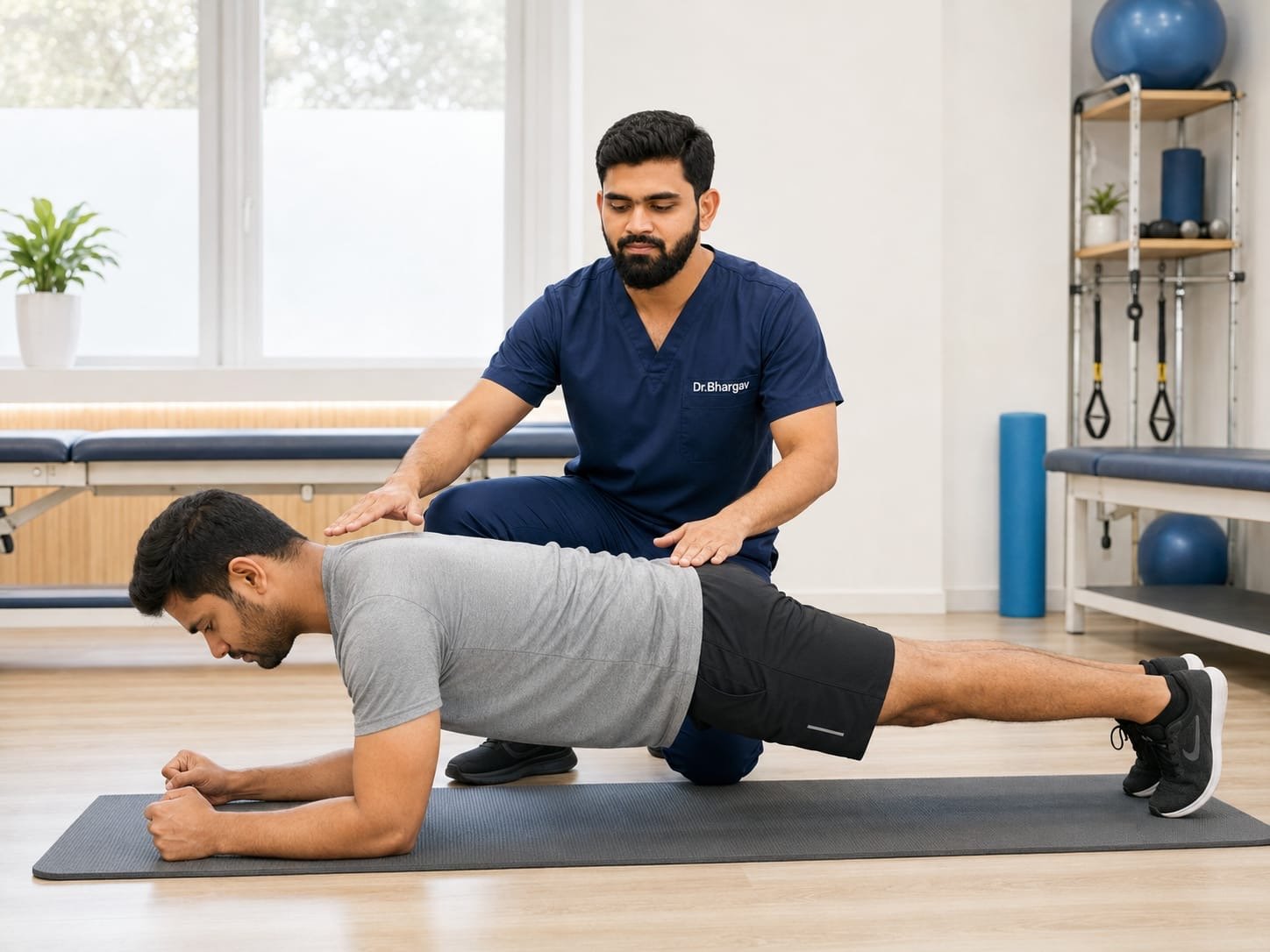
  • Detailed orthopedic and neurological assessment
  • Individualised pain-management planning
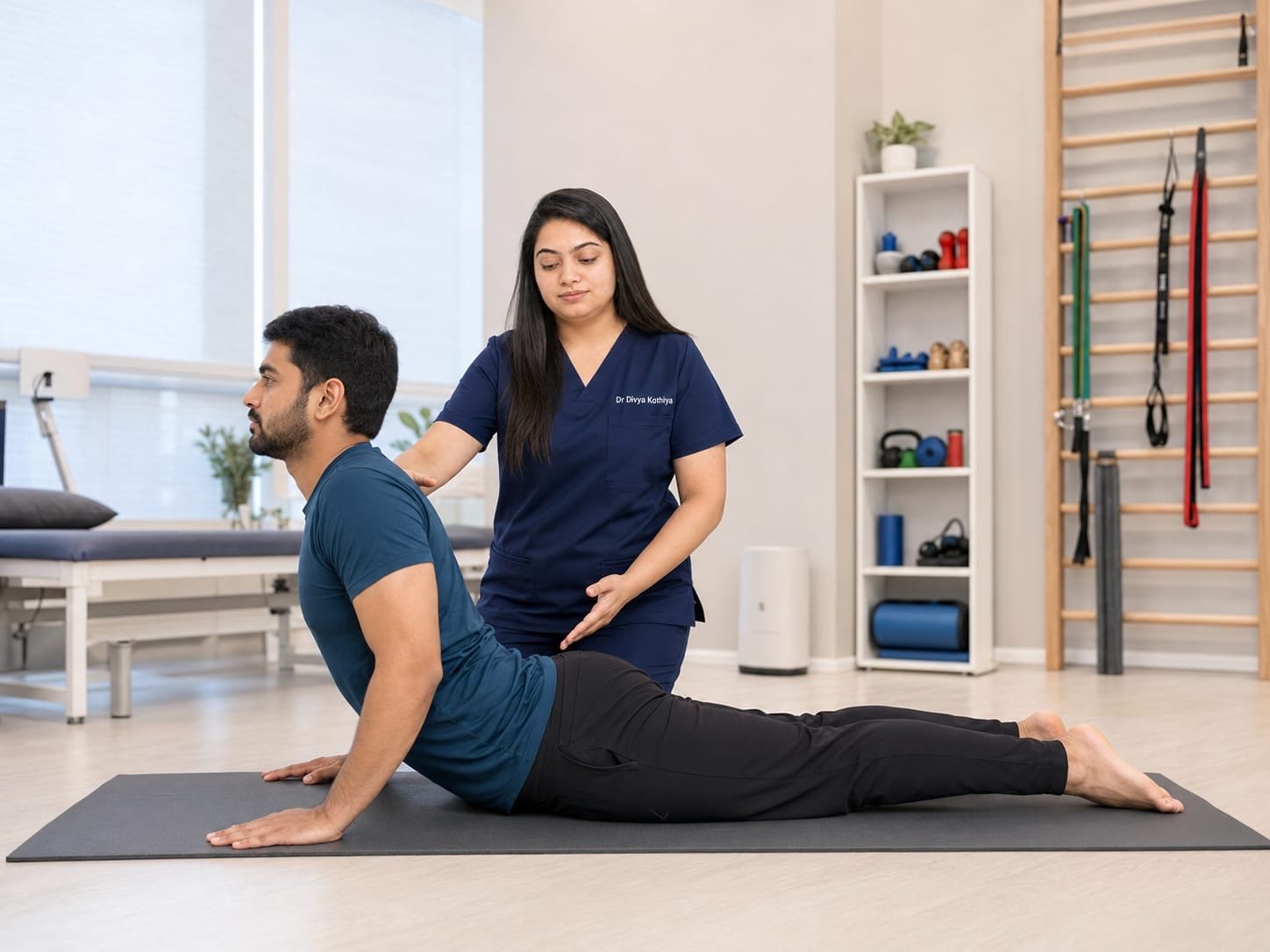
  • Mobility and flexibility exercises
  • Core, hip and back strengthening
  • Posture and ergonomic guidance
  • Sciatica and nerve rehabilitation
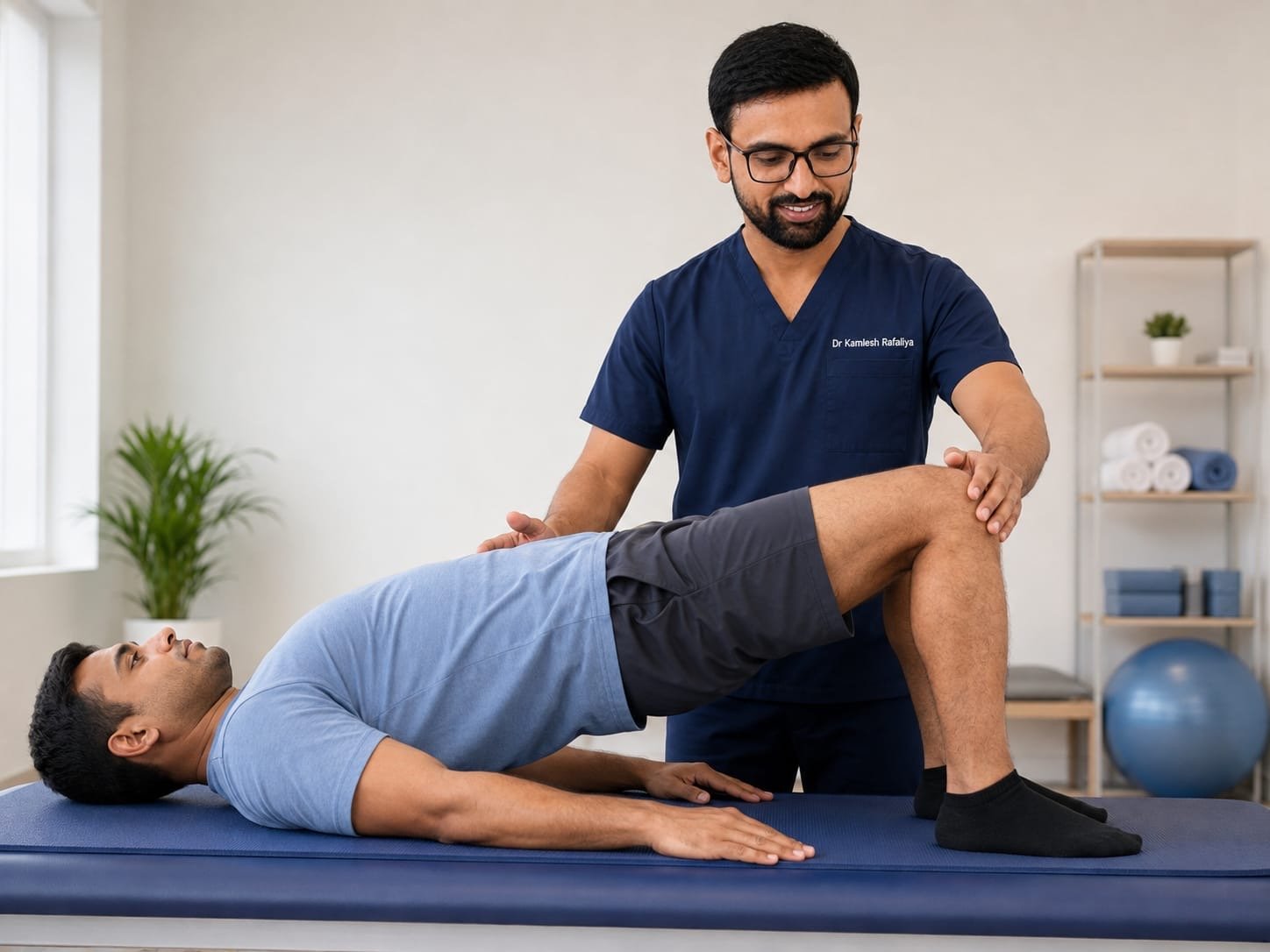
  • Manual therapy and chiropractic care when appropriate
  • Pilates-based rehabilitation
  • Sports and gym rehabilitation
  • Return-to-work and return-to-sport planning
  • Home exercise programmes
  • Referral to a medical specialist when red flags are identified
backpain-1

Restoring spinal mobility and reducing strain with clinically-guided treatment trusted for over 20 years.

Lasting Pain Relief

Helping patients recover from chronic back pain, muscle strain, and disc-related conditions for over a decade.

20+ Years Strong

Transforming recovery through personalized back pain treatment

We combine clinical assessment with hands-on therapy to reduce pain, rebuild core and postural strength, and correct the movement patterns placing unnecessary strain on your spine. Every plan is built around your diagnosis, your daily routine, and how you want your body to feel again.

Accurate spinal assessment

01

We check the spine along with posture, core strength, and daily movement habits, since back pain often builds up from patterns far beyond the painful area itself.

Visible, lasting improvement

02

You’ll notice real changes in mobility, strength, and pain levels at each stage — not just short-term relief that returns the moment you’re back at your desk.

Trusted for chronic and disc-related back pain

03

From muscle strain to slipped discs and long-standing lower back stiffness, patients keep coming back because the results actually hold up over time.

Driven by passion, backed by expertise

We combine clinical expertise in spinal rehabilitation with personalized, hands-on care to relieve pain, rebuild strength, and protect your back for the long run.

Personalized care for back pain

At our physiotherapy clinic, we’re dedicated to helping you move without pain again — whether that’s sitting through a full workday, bending down safely, or simply getting out of bed without that familiar stiffness.
backpain-3

Frequently asked question

Back pain can come from muscle strain, disc issues, poor posture, nerve compression, or long hours of desk work — physiotherapy addresses the underlying cause rather than just easing discomfort temporarily.

In most cases, you can begin physiotherapy without a doctor's referral. However, some insurance providers may require one for reimbursement or coverage purposes, so it's worth confirming with your provider.

Yes, in most cases. Targeted exercises, manual therapy, and posture correction can relieve nerve-related pain and improve mobility, though severity and response vary from person to person.

Sessions typically run 45–60 minutes, including hands-on treatment, spinal mobilization, and guided strengthening exercises.

This depends on the cause and how long you've had the pain. After your initial assessment, we'll give you a realistic treatment timeline and adjust it as your strength and mobility improve.

Yes. Chronic back pain is one of the most common reasons patients come to us — we build a long-term plan that addresses root causes, not just short-term symptom relief.