

Sensory Integration (sometimes called “sensory processing” or SI) refers to the way the nervous system receives messages from the senses and turns them into appropriate motor and behavioral responses. Whether biting into a hamburger, riding a bicycle, or reading a book, successfully completing that activity requires processing sensation — in other words, sensory integration.
Sensory Processing Disorder (SPD, formerly known as “sensory integration dysfunction”) is a condition that exists when sensory signals don’t get organized into appropriate responses. Pioneering occupational therapist and neuroscientist A. Jean Ayres, PhD, likened SPD to a neurological “traffic jam” that prevents certain parts of the brain from receiving the information needed to interpret sensory input correctly. A person with SPD finds it difficult to process and act on information received through the senses, creating challenges in performing everyday tasks. If left untreated, this can lead to motor clumsiness, behavioral problems, anxiety, depression, and school difficulties.
At Body Align, our Sensory Integration therapy helps children and adults build the neurological processing skills needed to respond appropriately to everyday sensory input — improving focus, coordination, behavior, and overall daily functioning.
Research shows that at least 1 in 20 children’s daily lives is affected by SPD, and another study suggests as many as 1 in 6 children experience sensory symptoms significant enough to affect everyday functioning. While most people experience occasional difficulty processing sensory information, for children and adults with SPD, these difficulties are chronic and disrupt everyday life. Symptoms occur across a broad spectrum of severity, which is why an individualized, well-assessed approach matters.
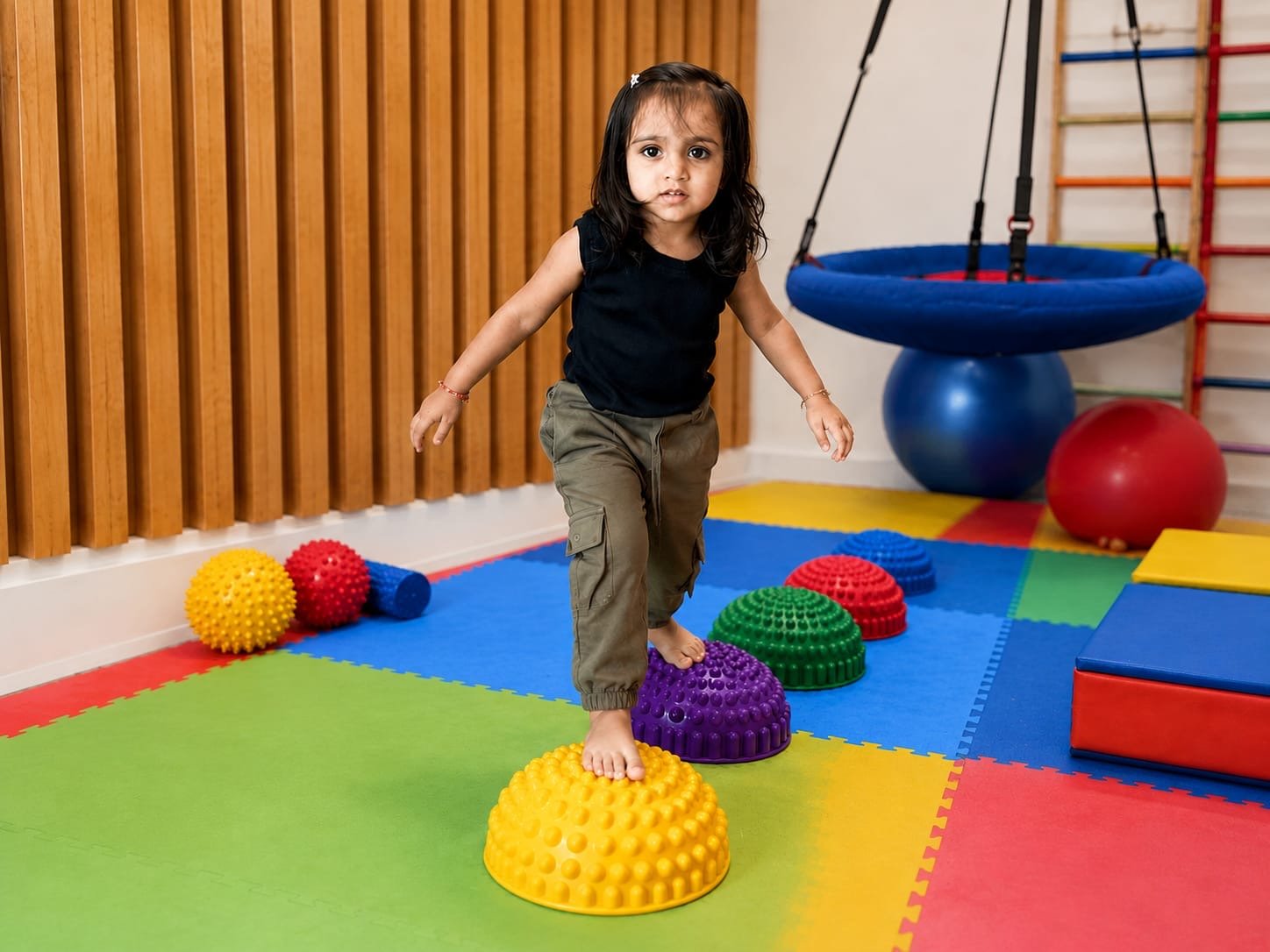
Better Sensory Processing
20+ Years Strong
We combine detailed sensory assessment with structured, engaging therapy to help the brain process sensory information more effectively and respond to it appropriately. Every plan is built around the specific sensory challenges affecting your child’s — or your own — daily life.
01
We look at how sensory input from touch, movement, sound, and other senses is currently being processed, since SPD symptoms vary widely from person to person and by age.
02
You’ll notice real improvement in daily functioning — eating, dressing, focus, motor coordination, and behavior — not just clinical exercises that don’t translate into everyday life.
03
From infants showing early motor delays to adults struggling with focus and coordination, patients and families keep coming back because the progress genuinely shows up in daily routines, not just in a therapy session.
Infants and Toddlers
Pre-Schoolers
Grade Schoolers
Adolescents and Adults
We combine sensory processing expertise with personalized, engaging therapy to help children and adults respond to everyday sensory input with greater ease, confidence, and control.
At our clinic, we’re dedicated to helping you or your child manage everyday sensory experiences more comfortably — whether that’s tolerating clothing and food textures, staying focused at school or work, or simply feeling less overwhelmed by everyday noise and movement.

Sensory Integration refers to how the nervous system receives sensory messages and turns them into appropriate motor and behavioral responses. It's the processing that allows us to successfully complete everyday activities, from eating to riding a bike to reading.
SPD is a condition where sensory signals don't get organized into appropriate responses, making it difficult for a person to process and act on information from their senses. It can affect motor skills, behavior, emotional regulation, and everyday functioning if left unaddressed.
In most cases, you can begin therapy without a doctor's referral. However, some insurance providers may require one for reimbursement purposes, so it's worth checking with your provider beforehand.
Research suggests SPD affects at least 1 in 20 children, while broader sensory symptoms significant enough to impact daily life may affect as many as 1 in 6 children.
Sensory integration therapy can begin in infancy if early signs are present, and continues to be effective across childhood, adolescence, and even adulthood, depending on the individual's needs.
No. While it's commonly associated with children, adolescents and adults can also experience sensory processing challenges — including difficulty focusing, poor motor coordination, or being overwhelmed by sensory input — and can benefit from therapy as well.
This depends on the severity of symptoms and the individual's specific needs. After an initial assessment, we'll outline a realistic therapy plan and adjust it as progress is made.
Yes. Many behavioral challenges — such as difficulty focusing, being easily overwhelmed, or frequent frustration — are closely tied to how the brain processes sensory input, and therapy can help address the root cause rather than just the resulting behavior.

તમને તાજા અપડેટ્સ, આરોગ્ય ટીપ્સ અને ખાસ ઓફર્સ સીધા મળે.