
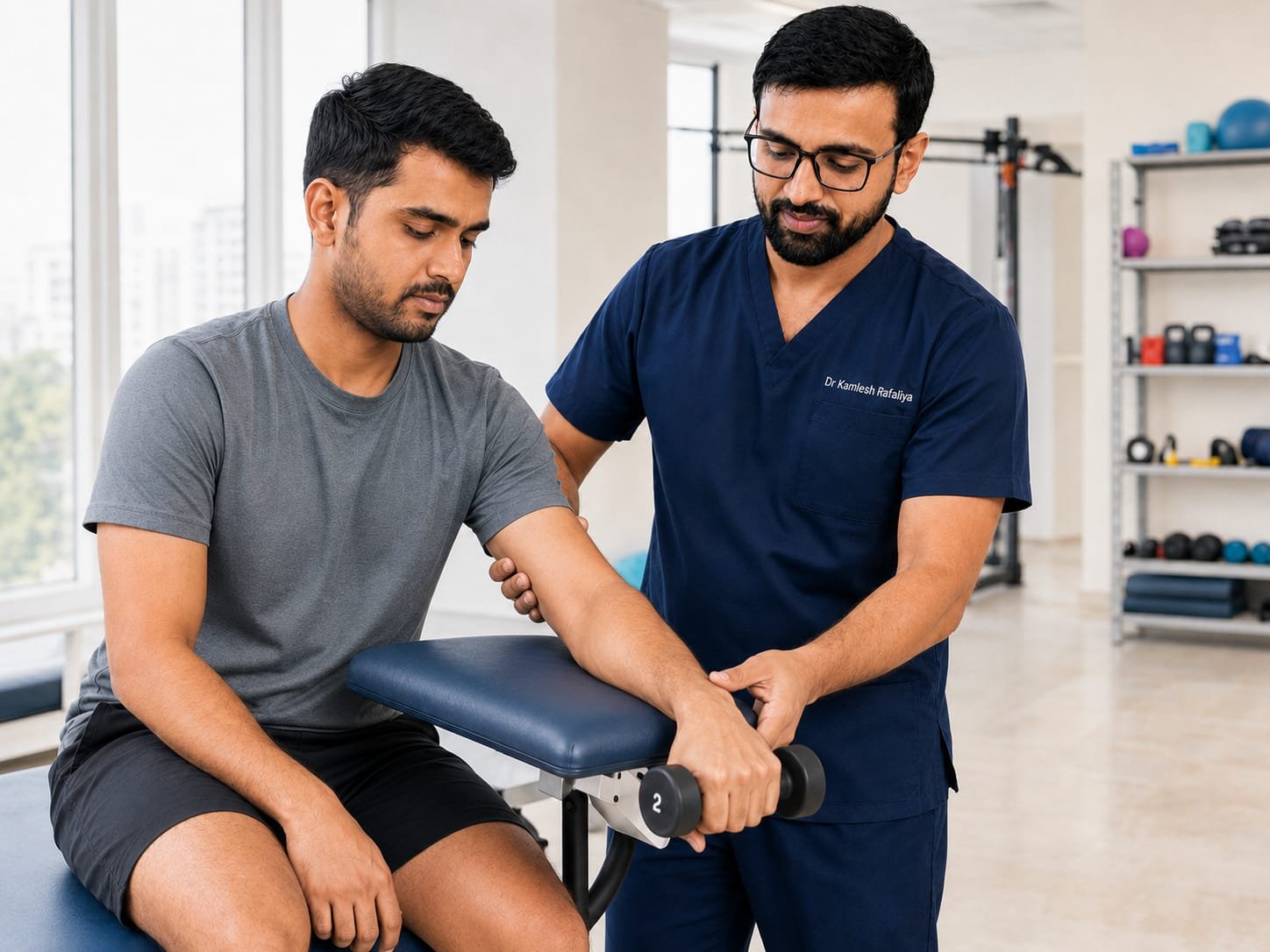
Sports injuries don’t wait for a convenient time — a rolled ankle before a match, a strained hamstring mid-season, a shoulder that’s never felt right since that fall. Our Sports Physiotherapy program is built for athletes and active people who want to get back to their sport, not just get by day to day.
We start with a proper assessment of the injury, your sport, and your training load — then build a rehab plan around all three. Manual therapy, strength work, mobility drills, and sport-specific conditioning all come together to get you back on the field stronger than before, not just pain-free.
We combine clinical expertise with a genuine understanding of sport — how it moves, where it strains, and what “recovery” actually means for someone who wants to compete again, not just walk comfortably. Every plan is built around your body, your sport, and your timeline back to play.
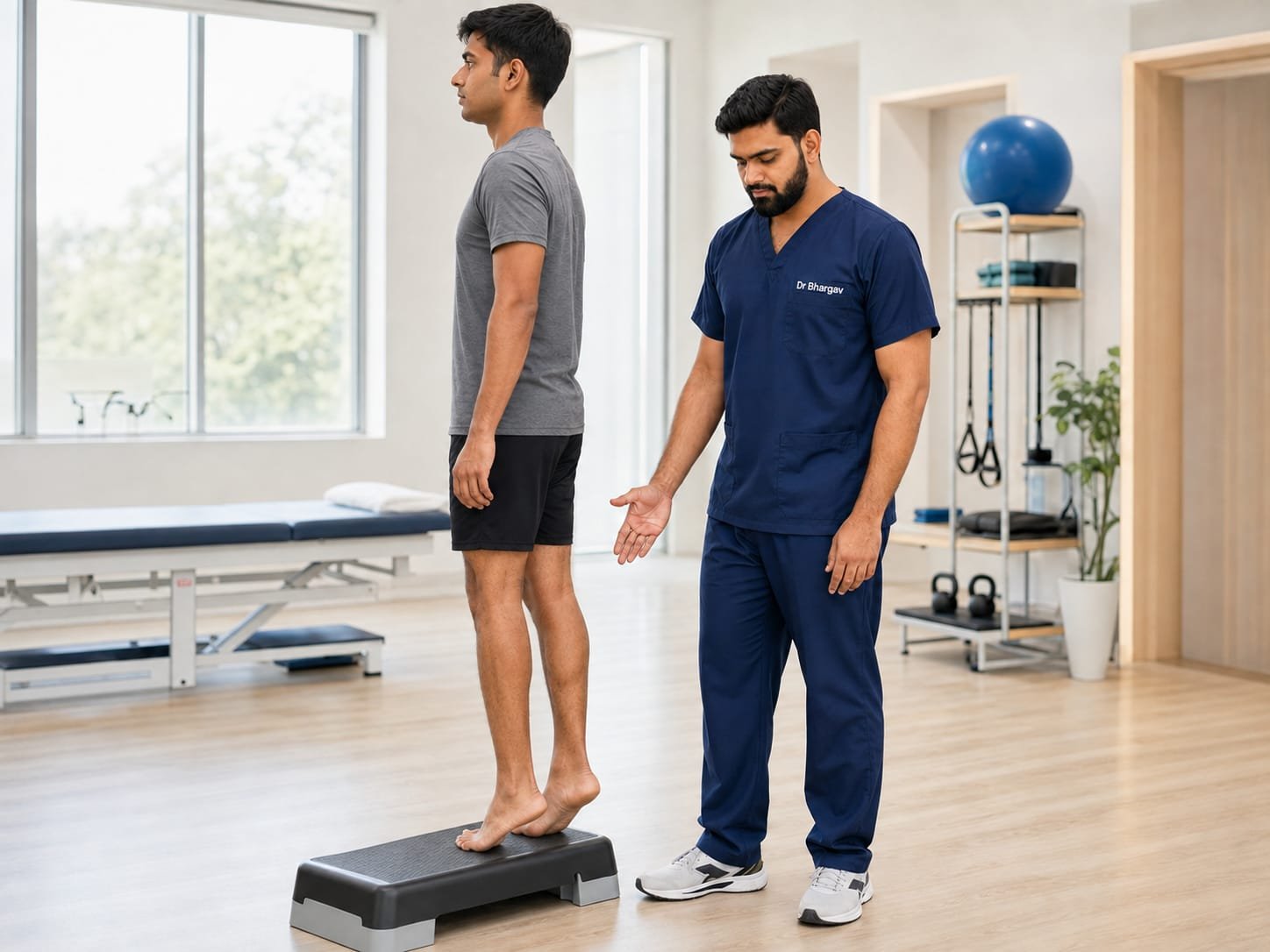
Stronger Results
20+ years strong
We combine clinical expertise with individual attention to speed up healing and protect long-term performance. Safety and technique come first — but so does getting you back to competing.
01
We look at how your injury happened and how your sport moves your body, then build a plan around both. Generic exercise sheets don’t cut it when you’re trying to get back to full speed.
02
You’ll know exactly where you stand at every stage — range of motion, strength benchmarks, and readiness to return to training, not just “does it still hurt.”
03
From weekend players to competitive athletes, our patients come back because the results hold up once they’re back in the game.
We combine clinical expertise with personalized care to speed up healing and support long-term performance, with safety and correct technique guiding every session.
At our physiotherapy clinic, we’re dedicated to getting athletes back to their sport safely — not just pain-free, but ready to perform.
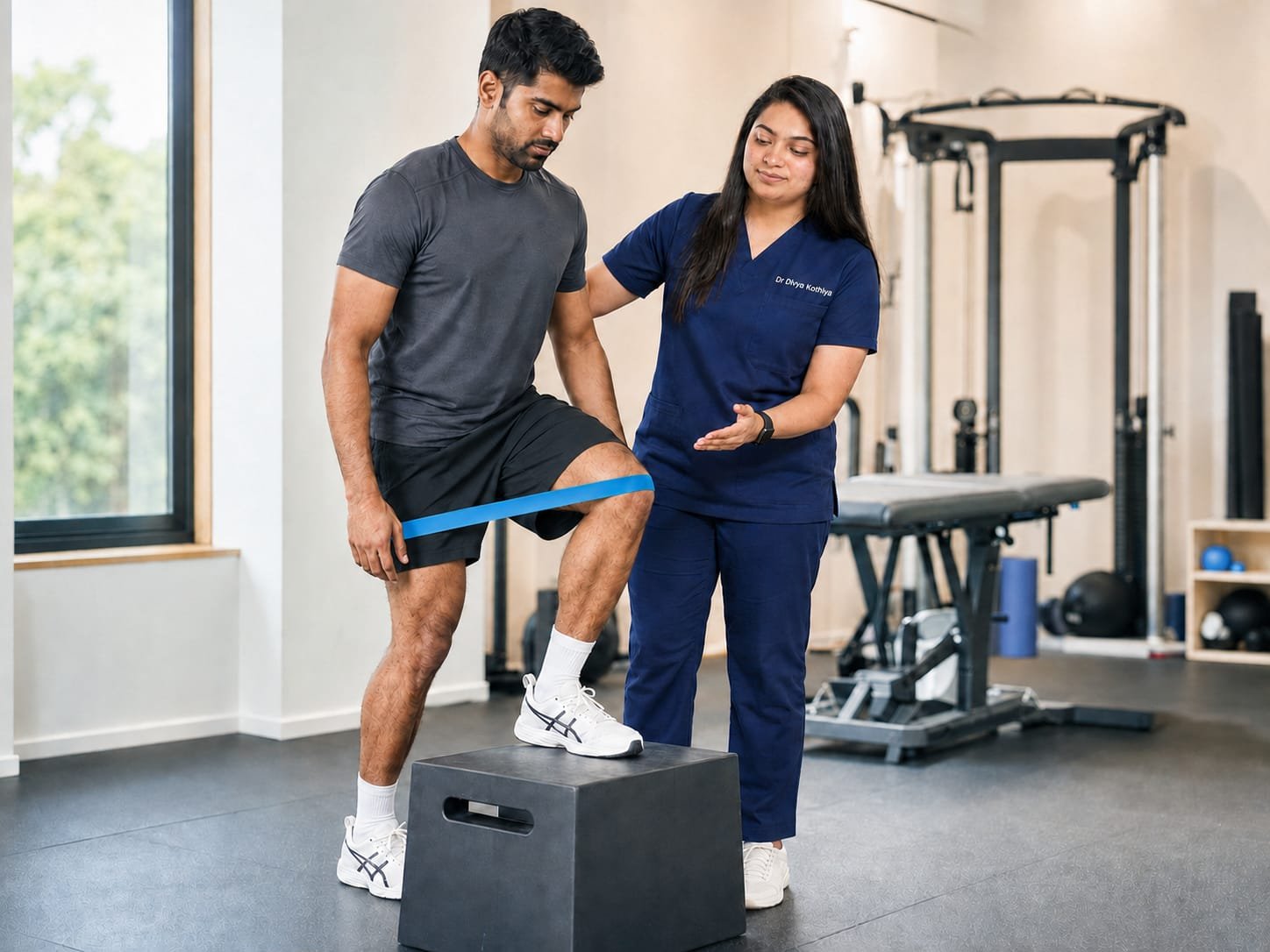
Sports Physiotherapy is a specialized branch of physiotherapy focused on preventing, treating, and rehabilitating injuries related to sport and physical activity — from acute injuries like sprains and strains to overuse injuries from repetitive training.
In most cases, you can begin treatment without a doctor's referral. However, some insurance providers may require one for reimbursement or coverage purposes, so it's worth checking with your provider beforehand.
For most sports injuries, earlier is better — often within the first few days once acute swelling is managed. Early assessment helps prevent compensation patterns that can slow recovery or lead to further injury.
Sessions typically run 45–60 minutes, depending on the injury and stage of recovery, including hands-on treatment and guided exercise.
This depends on the injury, its severity, and your recovery goals. After your initial assessment, we'll outline a realistic treatment timeline and adjust it as you progress.
Often yes, in a modified form. We'll guide you on what's safe to continue and what needs to rest, so you stay conditioned without risking further injury.
તમને તાજા અપડેટ્સ, આરોગ્ય ટીપ્સ અને ખાસ ઓફર્સ સીધા મળે.