
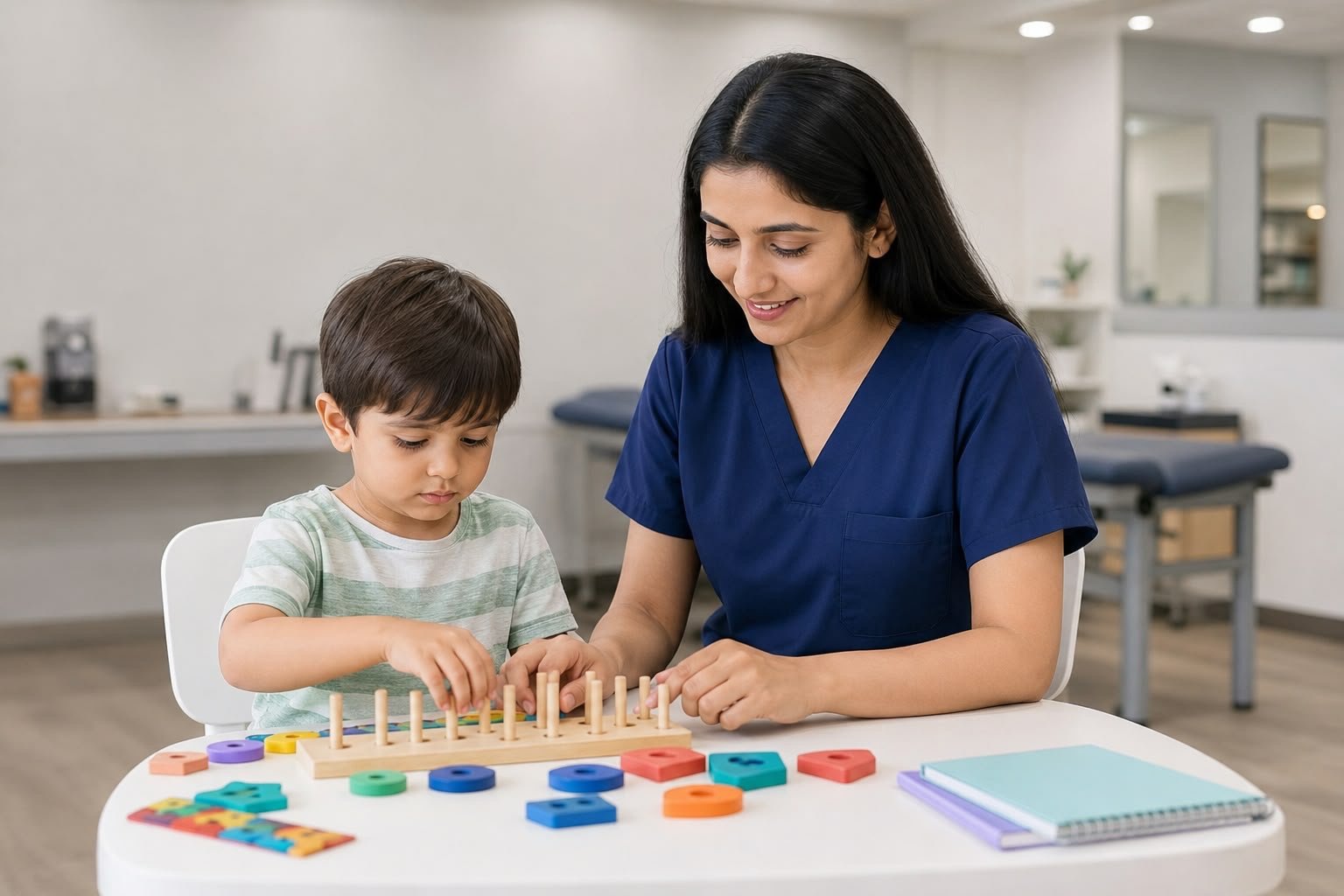
Along with postural and sensory issues, children with cerebral palsy and other neuromotor disorders often experience oro-motor control difficulties, oral sensory issues, and feeding difficulties. Through various approaches and therapy techniques, we can increase somato-sensory awareness and help normalize oral tactile sensitivity — while also increasing the volitional movement of oral structures needed for speech production and reducing feeding-related issues.
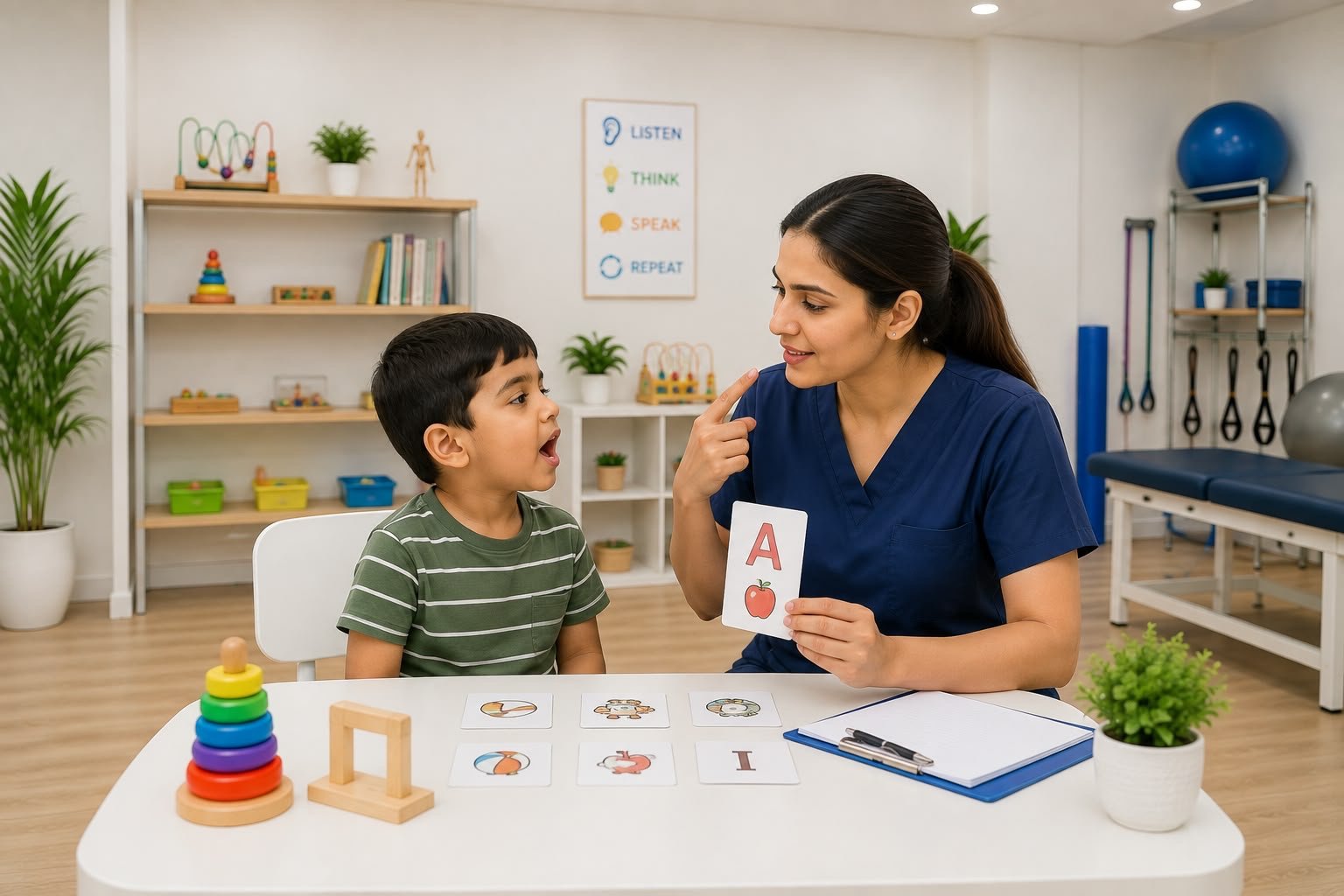
At Body Align, our Oral Placement Therapy (OPT) is used to improve articulator awareness, placement (dissociation, grading, and direction of movement), stability, and muscle memory — all necessary for the development of speech clarity. Alongside this, our Speech Therapy addresses the treatment of language disorders and speech problems directly, helping children who struggle to put words together or produce sounds clearly communicate more effectively.
Oral Placement Therapy is a speech therapy approach that utilizes a combination of auditory stimulation, visual stimulation, and tactile stimulation to the mouth to improve speech clarity. It’s an important addition to traditional speech treatment methods for clients with placement and movement deficits.
Our speech and language pathologists understand the development of human communication, speech disorders, and the proper techniques needed to give your child the power to communicate more effectively. Our therapists are trained and certified in globally accepted approaches, including PECS (Picture Exchange Communication System) and ABA (Applied Behaviour Analysis).
Real Communication Progress
20+ Years Strong
OPT can be used with clients of many ages and ability levels. It can be incorporated into program plans for many types of speech disorders, including:
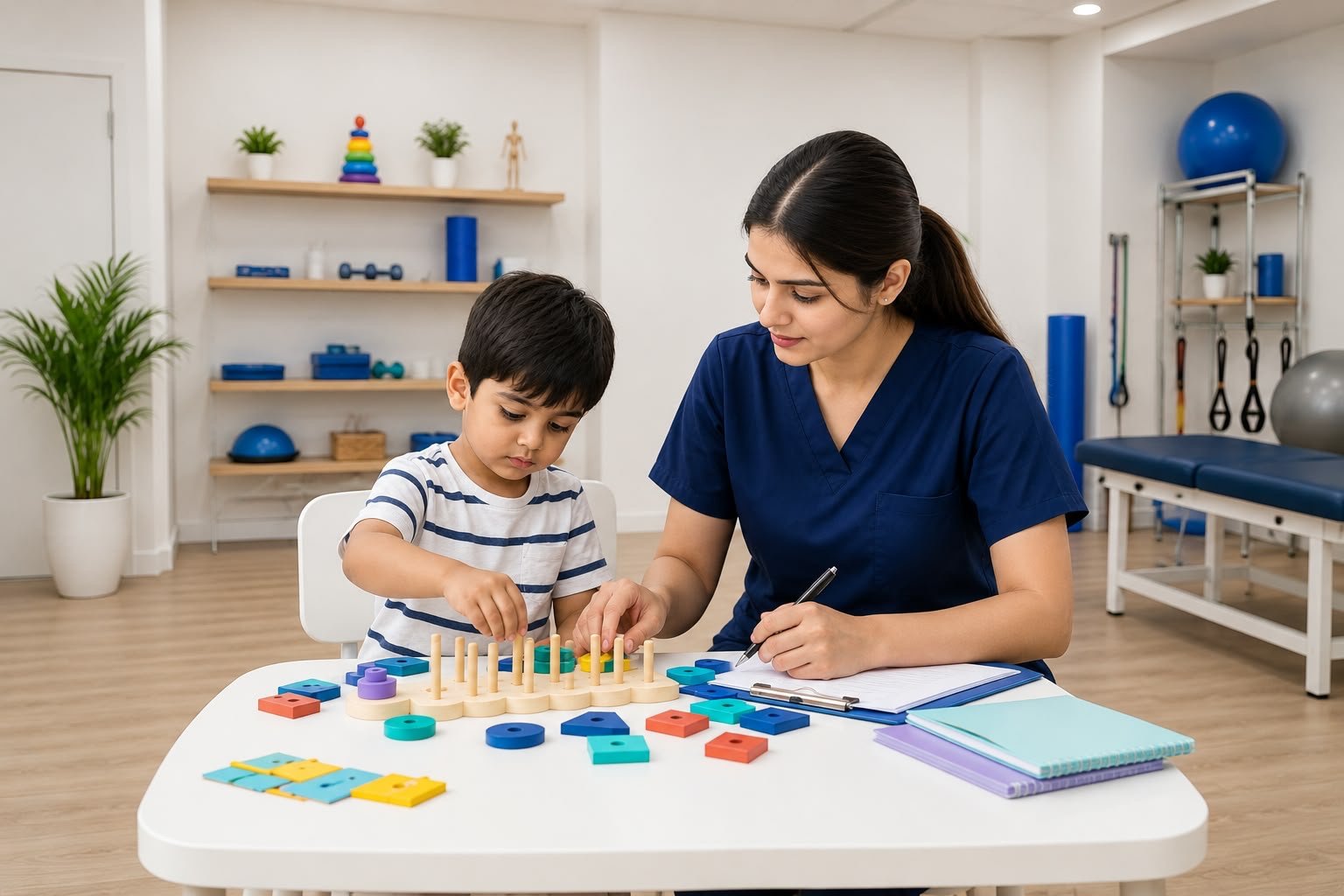
We combine clinical assessment with practical, structured therapy to build oral-motor strength, sensory awareness, and clear communication skills. Every plan is built around your child’s specific condition, environment, and communication goals.
01
We look at exactly how the jaw, lips, and tongue are functioning during feeding and speech, along with oral sensory responses — rather than treating unclear speech in isolation from the physical coordination and sensitivity behind it.
02
You’ll notice real improvement in articulator control, sound clarity, and feeding comfort at each stage — not just clinical exercises that don’t translate into actual, everyday communication and eating.
03
From cerebral palsy-related oro-motor issues to a wide range of speech and language disorders, parents keep coming back because the progress genuinely shows up in how their child communicates and eats day to day, not just in a treatment room.
We combine oral-motor, sensory integration, and speech therapy expertise with personalized, engaging treatment to build communication skills, feeding safety, and confidence in everyday interaction.
At our physiotherapy clinic, we’re dedicated to helping your child communicate clearly and eat safely — whether that’s building the oral-motor strength for clearer sounds, reducing sensory-related feeding difficulties, or simply feeling more confident speaking and connecting with others.
OPT is a speech therapy approach that uses a combination of auditory stimulation, visual stimulation, and tactile stimulation to the mouth to improve articulator awareness, placement, stability, and muscle memory — all necessary for the development of speech clarity.
Speech Therapy is the treatment of language disorders and speech problems. It helps children who have difficulty putting words together and producing sounds, using proper techniques developed by trained speech and language pathologists.
In most cases, you can begin therapy without a doctor's referral. However, some insurance providers may require one for reimbursement purposes, so it's worth checking with your provider beforehand.
OPT can be used with clients of many ages and ability levels, and is commonly incorporated into program plans for dysarthria, apraxia of speech, voice disorders, fluency disorders, post-CVA (stroke) clients, and clients with mild-to-profound levels of hearing loss.
Signs include excessive gagging while feeding, excessive drooling, taking a long time to feed, frequent illness such as pneumonia with lung secretions, severe constipation, being choosy about food texture and taste, difficulty swallowing, and chewing and drinking issues.
Our speech therapists are trained and certified in globally accepted approaches, including PECS (Picture Exchange Communication System) and ABA (Applied Behaviour Analysis).
Yes. OPT directly addresses oral sensory issues and feeding difficulties alongside speech, since both rely on the same underlying oral-motor coordination and sensory awareness.
*Get the latest updates, health tips, and exclusive offers straight to you.